
The Role of the Ionosphere in Satellite Navigation
The ionosphere, a layer of the Earth's atmosphere stretching from about 60 to 1000 kilometers above the surface, plays a crucial role in satellite navigation. This region is composed of charged particles ionized by solar ultraviolet radiation, which significantly affects radio communications, satellite navigation, and positioning systems. As the closest space layer to us, the ionosphere significantly influences the performance and accuracy of Global Navigation Satellite Systems (GNSS) by introducing errors in signal propagation.
When satellite signals travel through the ionosphere, they are affected by the density of these charged particles, leading to phenomena such as refraction, diffraction, and scattering. These effects cause delays and deviations in the signals, collectively known as ionospheric delays. Understanding and mitigating these delays is essential for precise navigation and positioning, which are critical for various applications, from everyday smartphone navigation to advanced autonomous driving systems.
How Solar Activity Disrupts the Ionosphere
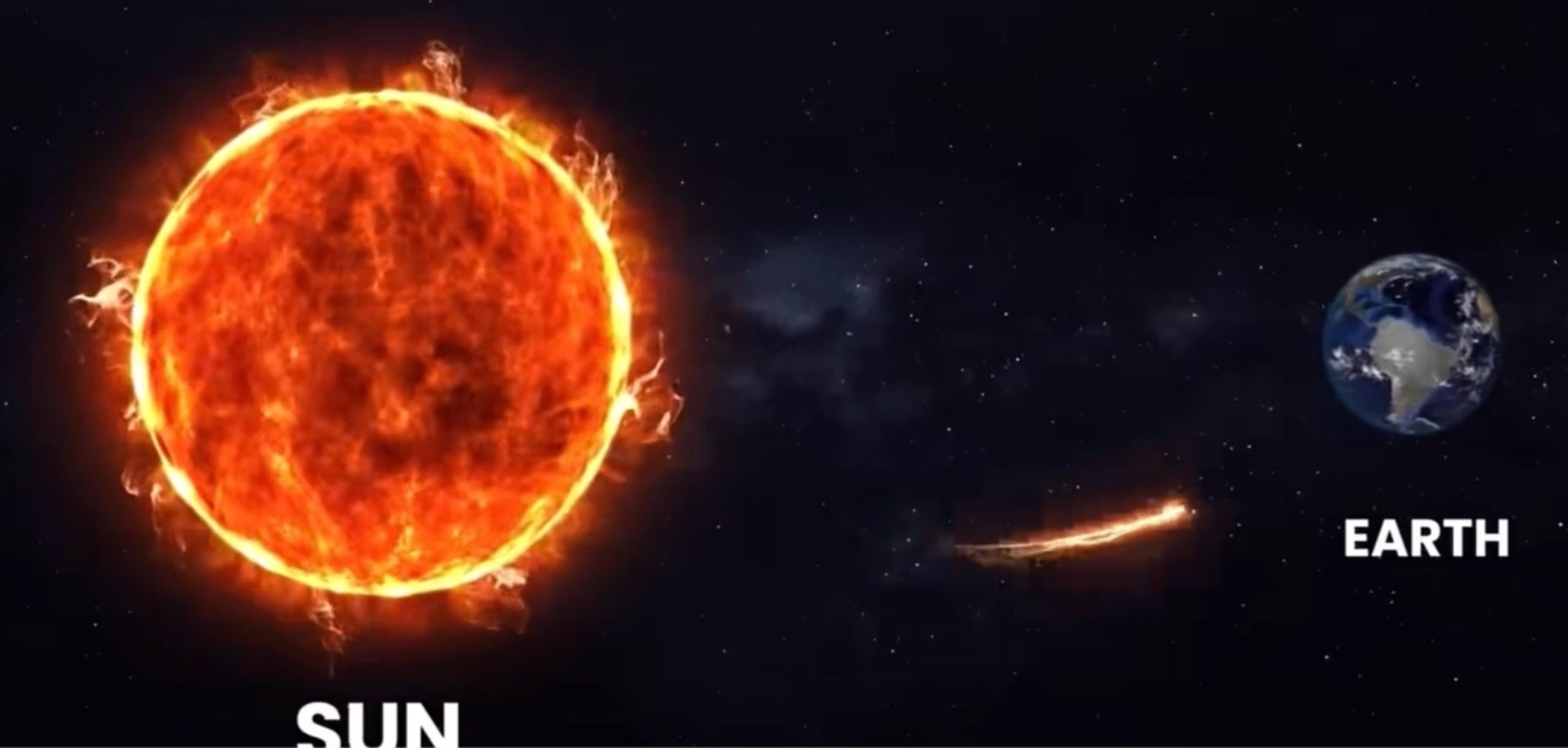
Solar activity, particularly sunspot cycles, plays a pivotal role in the behavior and disturbances of the ionosphere. Sunspot activity follows an 11.2-year cycle, with the peak of Solar Cycle 25 expected around 2025. During periods of heightened solar activity, the ionosphere experiences increased disturbances, leading to more pronounced ionospheric delays.
Solar flares and geomagnetic storms, triggered by intense solar events, can cause significant fluctuations in the ionosphere's electron density. These variations generate turbulence and scintillation, disrupting the propagation of satellite signals. The impact is particularly severe in low-latitude regions near the equator, where ionospheric scintillation is more pronounced. As solar activity continues to rise, the need for advanced solutions to address these disruptions becomes increasingly critical.
Challenges Posed by Ionospheric Delays
Ionospheric delays present significant challenges for satellite navigation and positioning systems. The time delay of electromagnetic waves passing through the ionosphere can lead to inaccuracies in positioning data, which can have serious implications for various industries. For instance, autonomous driving systems require positioning accuracy within 20 to 30 centimeters, but ionospheric activity can cause deviations that affect the safety and reliability of these systems.
Similarly, drone operations, such as agricultural plant protection and power grid inspections, can be severely impacted by ionospheric delays. In some cases, deviations of over 10 meters have been observed in drone flights due to ionospheric effects. These challenges highlight the need for precise monitoring and mitigation of ionospheric delays to ensure the accuracy and reliability of satellite-based navigation systems.
Real-World Implications for Various Industries
The impact of ionospheric activity extends across multiple industries that rely on high-precision spatiotemporal services. In the automotive industry, autonomous driving systems depend on accurate GNSS data to navigate safely and efficiently. Any disruption caused by ionospheric delays can lead to significant safety risks and operational challenges.
In agriculture, drones are used for tasks such as crop monitoring and plant protection. Accurate positioning is essential for these operations, and ionospheric delays can lead to errors that affect the effectiveness of these tasks. Similarly, power grid inspections conducted by drones require precise navigation to ensure thorough and accurate assessments.
The telecommunications industry also relies on satellite navigation for various applications, including broadcasting and communication services. Ionospheric disturbances can affect signal quality and reliability, leading to potential disruptions in these services. As solar activity increases, the need for robust solutions to mitigate ionospheric impacts becomes more pressing.
Innovative Solutions: SpatiX's Atmospheric Inference Model
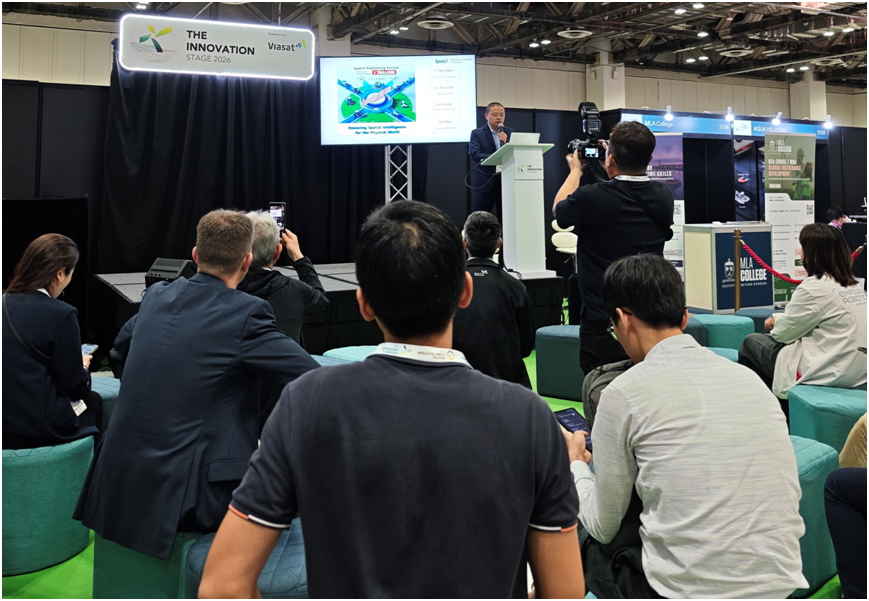
To address the challenges posed by ionospheric delays, SpatiX has developed the first "atmospheric inference large model." This innovative solution leverages the DiT architecture and combines multiple self-developed technological innovations to create an efficient atmospheric neural network base model. By intelligently reducing ionospheric errors and suppressing potential impacts, this model significantly enhances positioning accuracy.
SpatiX operates over 6,000 ground-based augmentation stations worldwide, collecting massive volumes of observational data. This extensive network enables precise analysis and research of ionospheric delays, providing valuable insights for mitigating their effects. By obtaining the corresponding ionospheric error based on the position where the BeiDou satellite signal passes through the ionosphere, SpatiX's model can transmit this error to user terminals, allowing them to offset the ionospheric delay and achieve better positioning performance.
Future Outlook: Mitigating Ionospheric Impacts
As we approach the peak of Solar Cycle 25, the need for advanced solutions to mitigate ionospheric impacts becomes increasingly critical. The innovative approaches developed by SpatiX represent a significant step forward in addressing these challenges. By leveraging cutting-edge technology and extensive observational data, SpatiX's atmospheric inference model offers a promising solution for improving the accuracy and reliability of satellite navigation systems.
Looking ahead, continued research and development in this field will be essential to further enhance our understanding of ionospheric behavior and develop more effective mitigation strategies. As solar activity remains elevated, the importance of robust and reliable spatiotemporal services cannot be overstated. By staying at the forefront of innovation, we can ensure that satellite navigation systems continue to meet the growing demands of various industries and applications.
In conclusion, understanding and mitigating the impacts of the ionosphere on satellite navigation is crucial for maintaining the accuracy and reliability of these systems. As solar activity continues to influence the ionosphere, advanced solutions like SpatiX's atmospheric inference model will play a vital role in ensuring that our navigation and positioning technologies remain precise and dependable.