

Explore how 3D intelligent guidance systems are transforming construction by enhancing accuracy, efficiency, and safety across various global projects.
The Evolution of Intelligent Guidance Systems in Construction
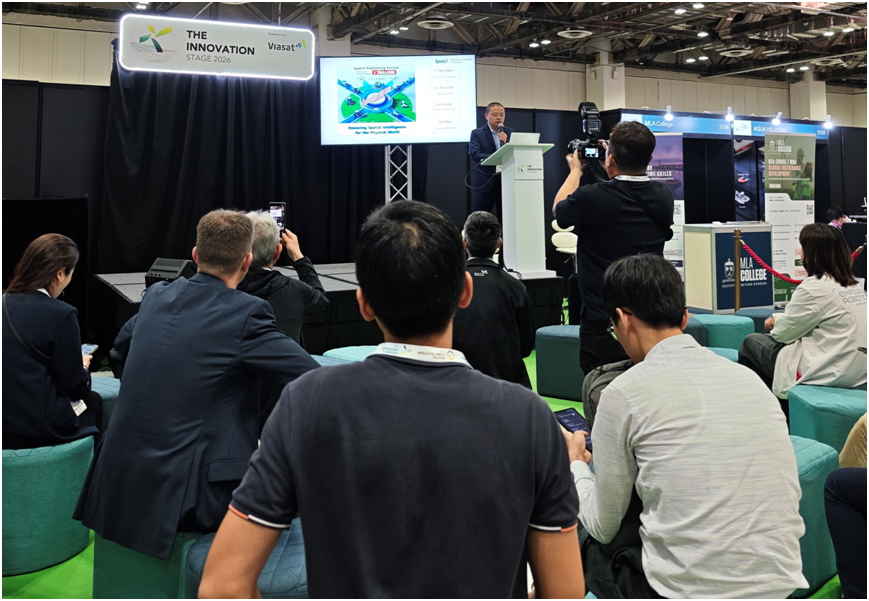
The construction industry has witnessed significant technological advancements over the years, making operations more precise, efficient, and safer. Among these innovations, 3D intelligent guidance systems have emerged as a game-changer. These systems, developed through collaborations between industry leaders like Sany Group, ROOTPIOT, and SpatiX, provide real-time three-dimensional operation guidance for a variety of construction equipment, including excavators, pile drivers, and motor graders.
By integrating high-precision antennas and receivers, these systems allow operators to visualize the exact position, height, and posture of their equipment. This level of detail was previously unattainable with traditional methods, which often relied on manual measurements and operator experience. The introduction of 3D intelligent guidance systems marks a significant leap forward in the quest for accuracy and efficiency in construction projects.
Enhancing Precision: How 3D Guidance Systems Improve Accuracy
One of the most significant benefits of 3D intelligent guidance systems is their ability to enhance precision on the construction site. In traditional earthmoving operations, operators often face the challenge of "invisible and uncontrollable" elements, particularly in complex terrains or underwater environments. Relying solely on experience can lead to inconsistencies and errors, affecting the overall quality of the project.
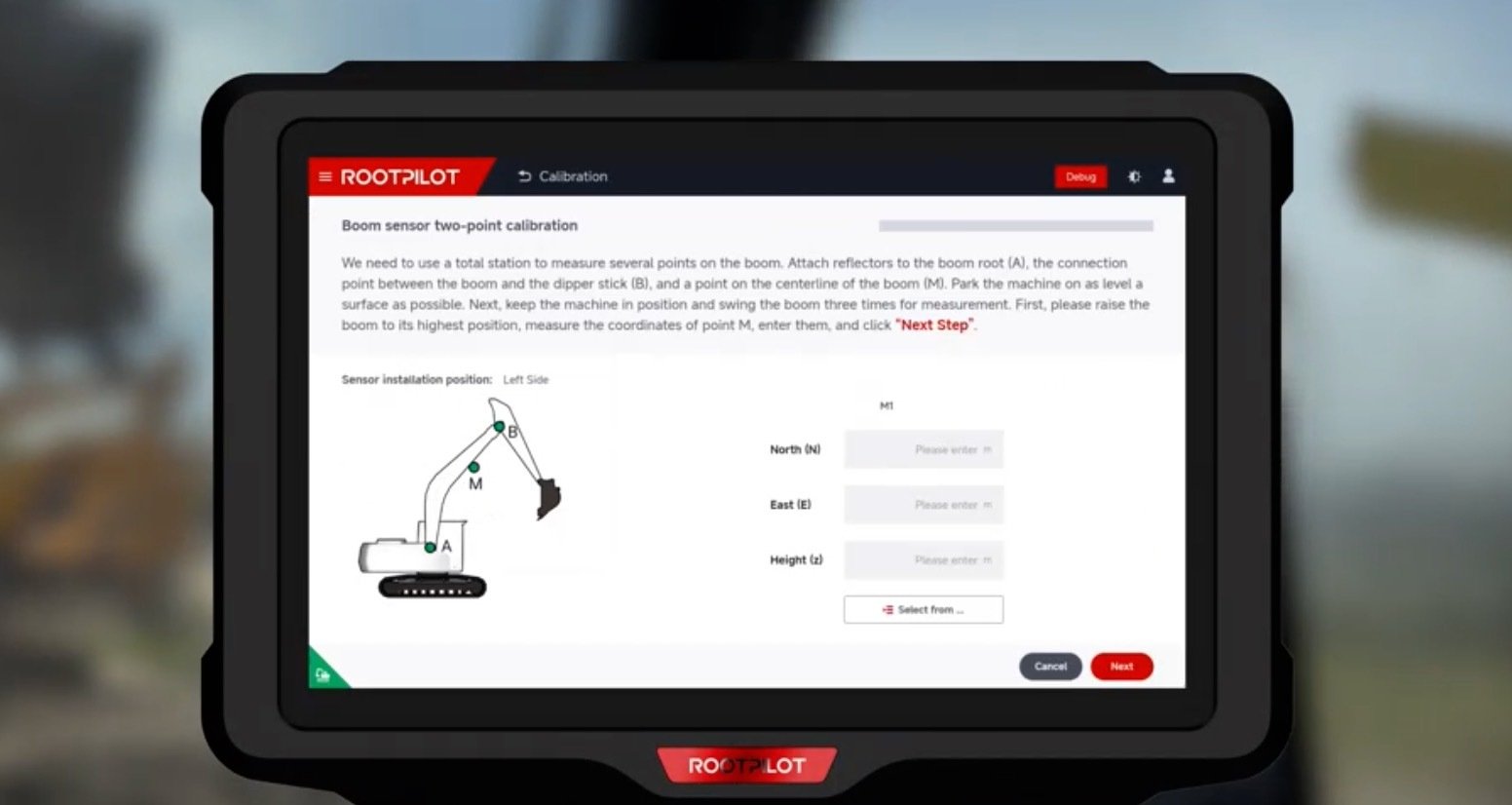
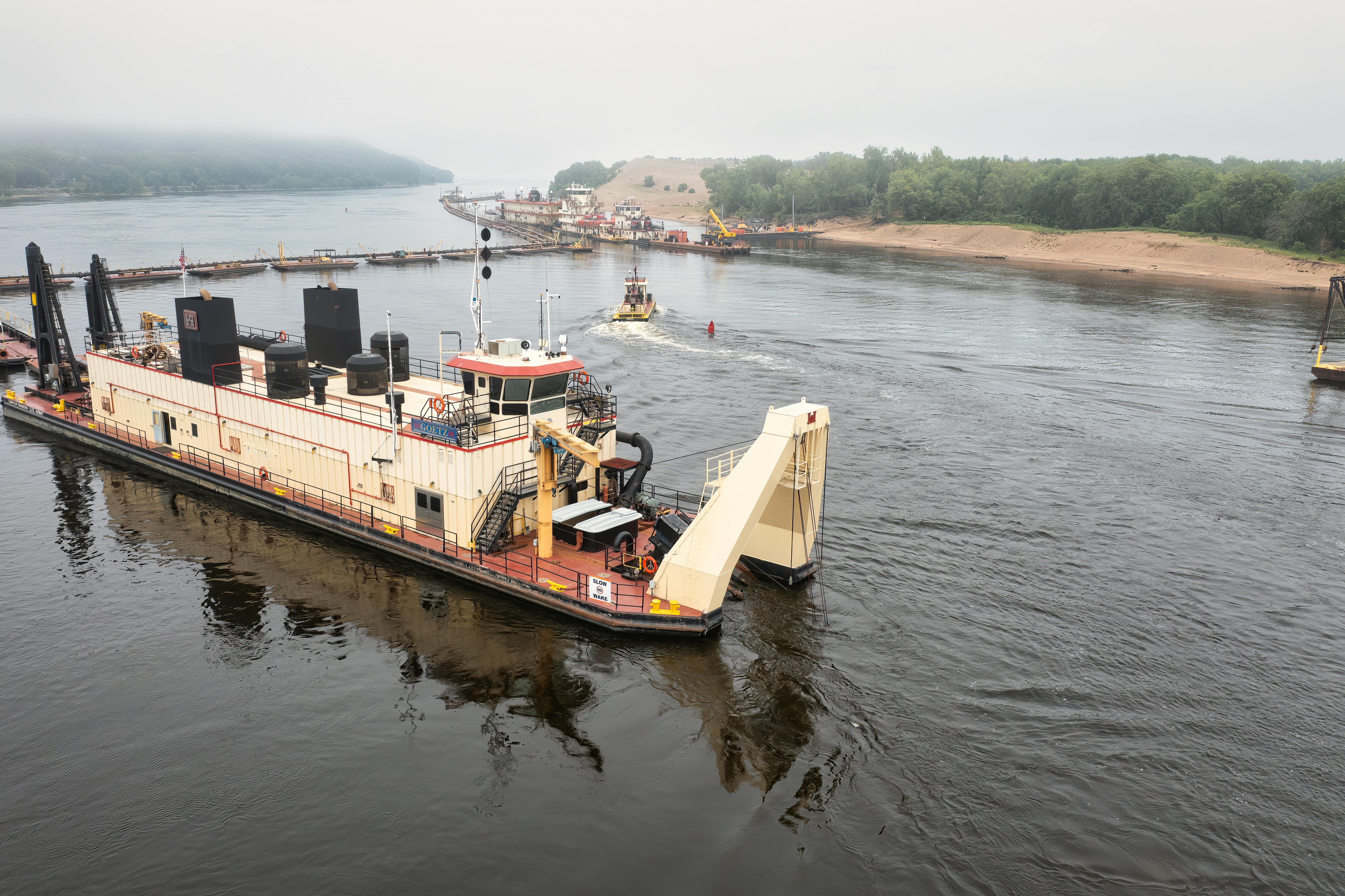
With 3D guidance systems, operators can achieve unprecedented accuracy. For instance, during the dredging work of the Pinglu Canal, operators previously struggled with excessive digging due to unclear visibility of riverbed conditions. This not only increased costs but also impacted project quality. After implementing the 3D guidance system, technicians imported the waterway design drawings into the system, which automatically generated a 3D operation model. This allowed operators to dig with precision, reducing excess excavation and improving overall project efficiency by 10%.
Such improvements in accuracy are not limited to dredging projects. On a ring expressway in Guangxi, China, the introduction of 3D guidance systems enabled operators to perform precise operations by simply looking at a screen in the cab. This eliminated the need for frequent manual inspections and measurements, leading to an efficiency improvement of over 30%.
Boosting Efficiency: Real-world Applications in Dredging and Highway Construction
The impact of 3D intelligent guidance systems extends beyond precision; they significantly boost efficiency in various construction scenarios. In the Pinglu Canal project, the system not only improved dredging accuracy but also increased the efficiency of crushing operations by 40% to 50%. Such enhancements translate to substantial time and cost savings, allowing projects to be completed faster and within budget.
Similarly, in highway construction, these systems streamline operations by providing real-time visual guidance to operators. Previously, workers had to stop frequently to conduct inspections, either by getting off the vehicle or assigning auxiliary workers for measurement tasks. This process was time-consuming and prone to errors. With the 3D guidance system, operators can now visualize the design surface directly in the cab, making adjustments as needed without leaving their seat. This seamless integration of design and execution leads to smoother operations and faster project completion.
Safety First: Reducing Risks on Construction Sites
Safety is a paramount concern in the construction industry, and 3D intelligent guidance systems play a crucial role in mitigating risks. Traditional construction methods often require workers to enter hazardous areas for inspections and measurements, exposing them to potential dangers. By providing real-time data and visual guidance, 3D systems reduce the need for such risky activities.
For example, during the excavation and grading of highway slopes, operators can rely on the 3D guidance system to ensure precise digging and shaping. This eliminates the need for manual inspections on unstable slopes, enhancing worker safety. Additionally, the system's accurate positioning capabilities help prevent accidents caused by equipment misalignment or operator error.
The integration of spatiotemporal intelligence further enhances safety. Spati's solutions include digital twin drawings, personnel and vehicle management, and smart construction platforms. These tools provide a comprehensive view of the construction site, allowing for better coordination and monitoring of activities. As a result, potential hazards can be identified and addressed proactively, ensuring a safer work environment.
Integrating Spatiotemporal Intelligence for Comprehensive Solutions
Spati's "one-stop" spatiotemporal intelligence solutions offer a holistic approach to construction project management. By covering the entire digital construction lifecycle, from chips and modules to terminals and service platforms, Spati provides a seamless integration of technology and operations.
The 3D intelligent guidance systems are a key component of this ecosystem. By combining high-precision positioning with advanced data analytics, these systems enable real-time monitoring and control of construction activities. This integration ensures that all aspects of the project, from design to execution, are aligned and optimized for maximum efficiency.
In addition to equipment guidance, Spati's solutions include digital twin drawings, which offer a virtual representation of the construction site. This allows for better planning and coordination, reducing the likelihood of errors and rework. Moreover, the personnel and vehicle management tools enhance site logistics, ensuring that resources are deployed effectively and safely.
Future Prospects: The Next Frontier in Smart Construction Technologies
The adoption of 3D intelligent guidance systems represents just the beginning of a broader transformation in the construction industry. As technology continues to evolve, we can expect even more advanced solutions that further enhance accuracy, efficiency, and safety.
Future developments may include greater integration of artificial intelligence and machine learning, enabling systems to predict and adapt to changing conditions in real-time. Enhanced connectivity through the Internet of Things (IoT) will also play a crucial role, allowing for seamless communication between various components of the construction ecosystem.
Ultimately, the goal is to create a fully automated and intelligent construction environment where human operators can focus on strategic decision-making while machines handle the execution with precision and efficiency. This vision of the future promises not only to revolutionize construction practices but also to set new standards for quality and safety in the industry.
As we look ahead, it is clear that the continued innovation and adoption of smart construction technologies will drive the industry toward a more productive and sustainable future. The 3D intelligent guidance systems are a testament to the potential of these advancements, paving the way for a new era of construction excellence.