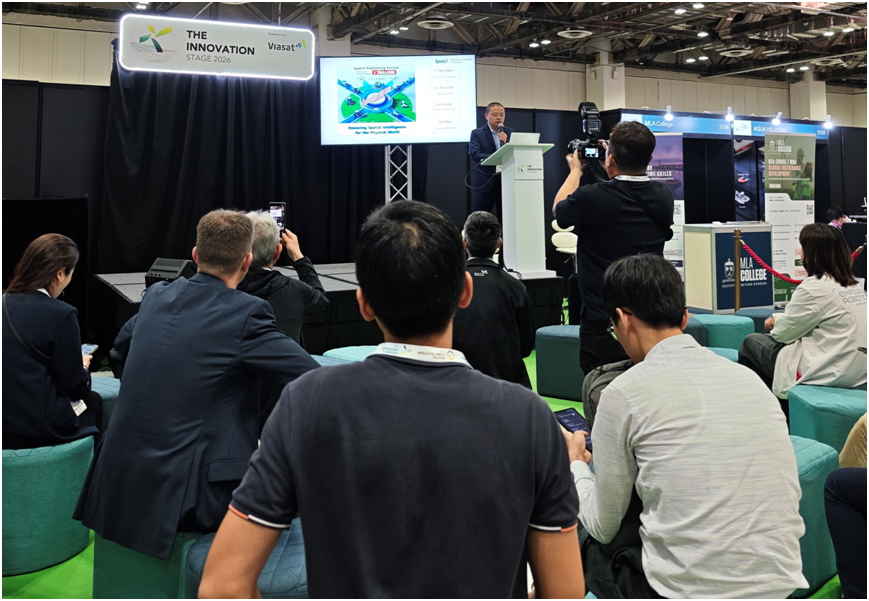

The Role of High-Precision Positioning in Autonomous Driving
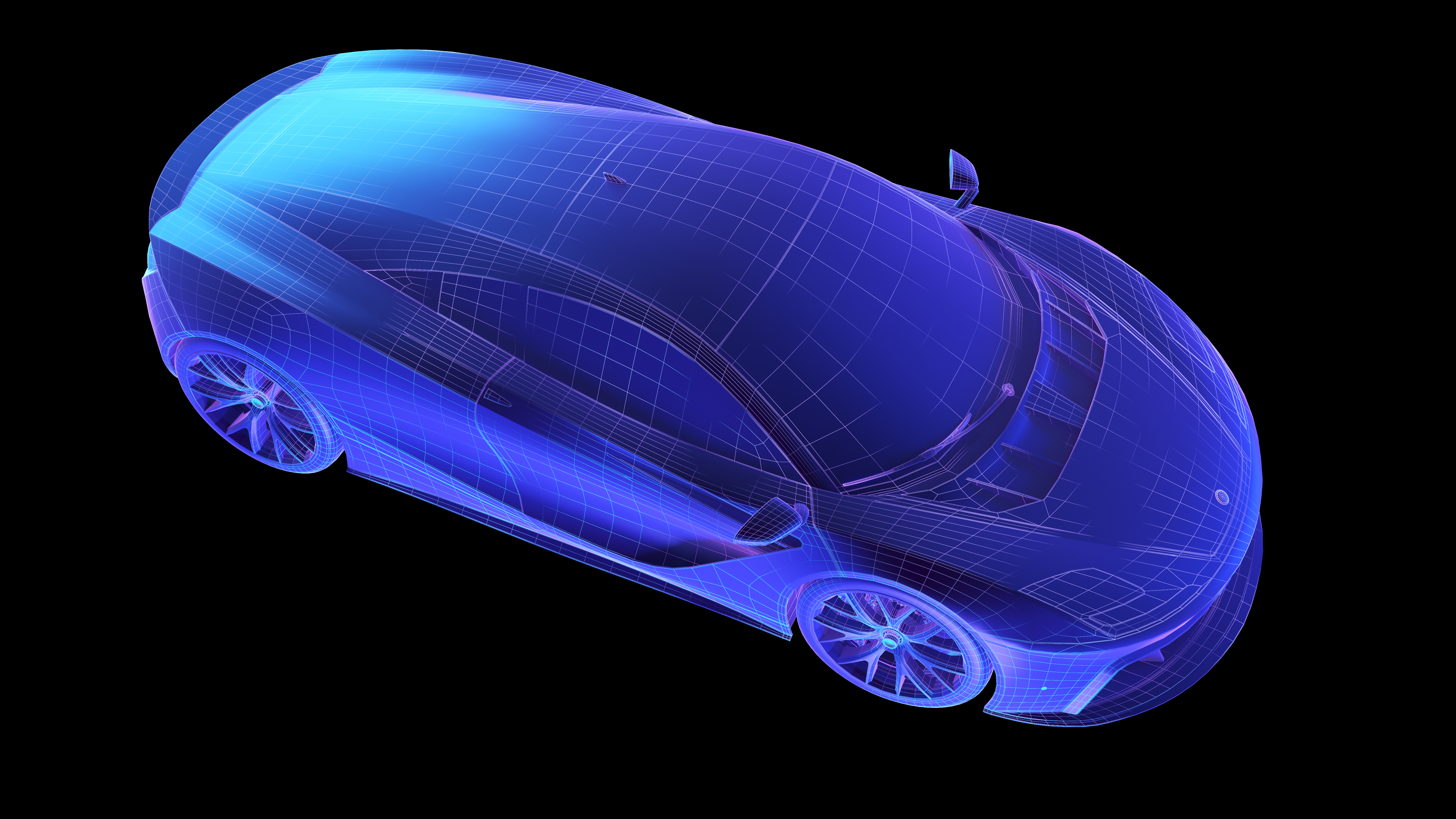
Autonomous driving is at the forefront of technological innovation, promising to revolutionize the way we travel. However, the effectiveness and safety of self-driving cars heavily depend on accurate positioning. Traditional GPS systems, which offer accuracy within about 10 meters, are insufficient for the precise navigation required by autonomous vehicles.
High-precision positioning technology, capable of pinpointing locations down to the centimeter, addresses this critical need. This level of accuracy enables autonomous cars to perform complex maneuvers such as lane changes, obstacle avoidance, and precise parking. By integrating high-precision positioning, companies developing autonomous driving technologies can significantly enhance the reliability and safety of their systems. As a result, the dream of fully autonomous vehicles operating safely on public roads is becoming increasingly attainable.
Boosting Agricultural Productivity with Accurate Positioning
Agriculture is another sector that benefits immensely from high-precision positioning. Precision agriculture involves using technology to optimize field-level management concerning crop farming. Accurate positioning allows farmers to monitor and manage their crops with unprecedented precision, leading to increased yields and reduced waste.
With high-precision positioning, farmers can create detailed maps of their fields, monitor soil conditions, and apply fertilizers and pesticides only where needed. This targeted approach not only conserves resources but also minimizes environmental impact. Additionally, autonomous tractors and drones equipped with high-precision positioning systems can perform tasks such as planting, spraying, and harvesting with remarkable accuracy, further enhancing productivity and efficiency in agriculture.
Enhancing UAV Inspections for Infrastructure and More
Unmanned Aerial Vehicles (UAVs), commonly known as drones, are revolutionizing various industries, including construction, mining, and infrastructure inspection. High-precision positioning is a game-changer for UAV operations, enabling drones to capture detailed and accurate data from the air.
In infrastructure inspection, for example, drones equipped with high-precision positioning systems can survey bridges, buildings, and pipelines with incredible accuracy. This capability allows for the detection of structural issues that might be missed with traditional inspection methods. In the mining industry, drones can create detailed 3D maps of mining sites, helping companies plan and execute operations more efficiently. The ability to capture high-resolution data with precise location information is invaluable for making informed decisions and ensuring the safety and integrity of structures and operations.
Smart City Management through Precise Positioning
Smart cities aim to leverage technology to enhance the quality of life for their residents. High-precision positioning plays a crucial role in achieving this goal. From traffic management to public safety, accurate location data is essential for the efficient functioning of various smart city applications.
One primary use of high-precision positioning in smart cities is traffic management. By accurately tracking the movement of vehicles and pedestrians, city planners can optimize traffic flow, reduce congestion, and improve public transportation systems. Additionally, high-precision positioning can aid in emergency response by providing first responders with exact location information, enabling quicker and more effective interventions.
Smart city infrastructure, such as utilities and public services, also benefits from high-precision positioning. For example, utility companies can use accurate location data to monitor and maintain their networks, ensuring reliable service delivery. Overall, high-precision positioning is a cornerstone of smart city initiatives, helping create more efficient, safer, and sustainable urban environments.
In conclusion, the demand for high-precision positioning technology is rapidly growing as industries recognize its potential to transform operations and improve outcomes. From autonomous driving and agriculture to UAV inspections and smart city management, the ability to determine exact locations with centimeter-level accuracy is revolutionizing the way we live and work. As technology continues to advance, high-precision positioning will undoubtedly play an increasingly vital role in shaping the future.