

Navigational satellites locate an object by sending signals to it. The distance between the object and the satellite is calculated by multiplying the one-way signal transmission time by the signal transmission speed.
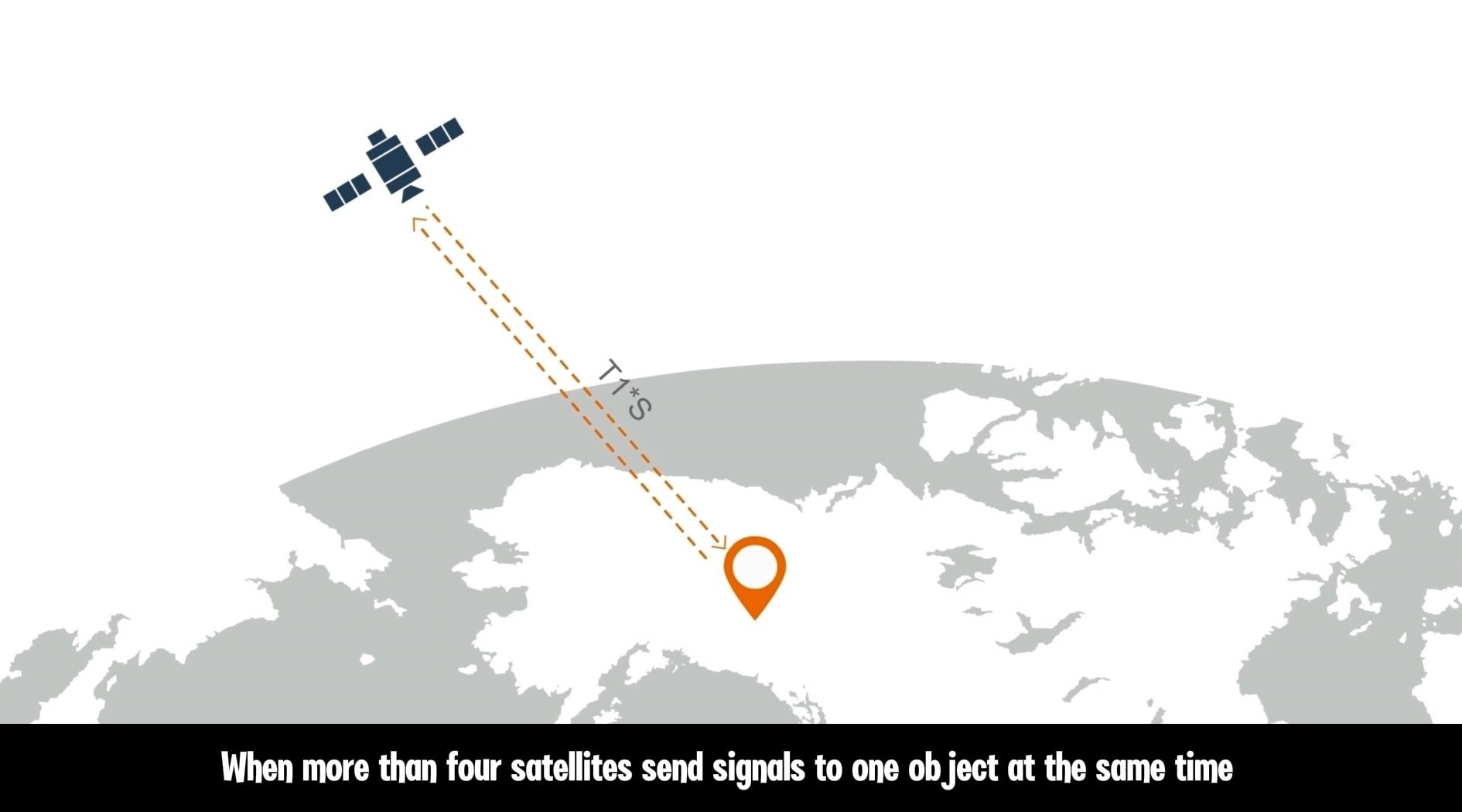
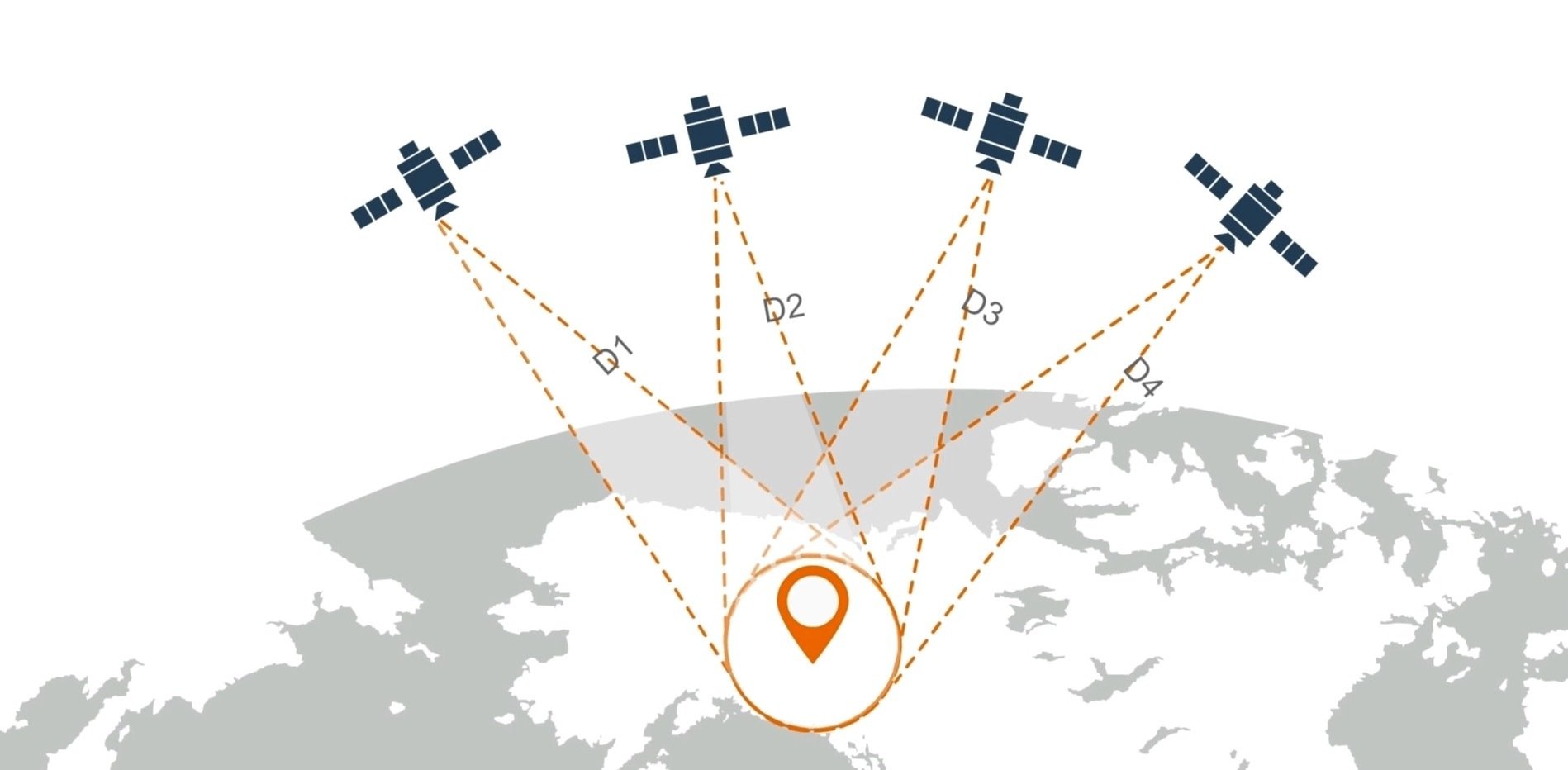
When more than 4 satellites send signals to an object simultaneously, the coordinates of the object can be determined at the unique intersection point by drawing circles with each satellite as the center and their respective distances to the object as the radius. The positional accuracy achieved by this method is approximately 10 meters.
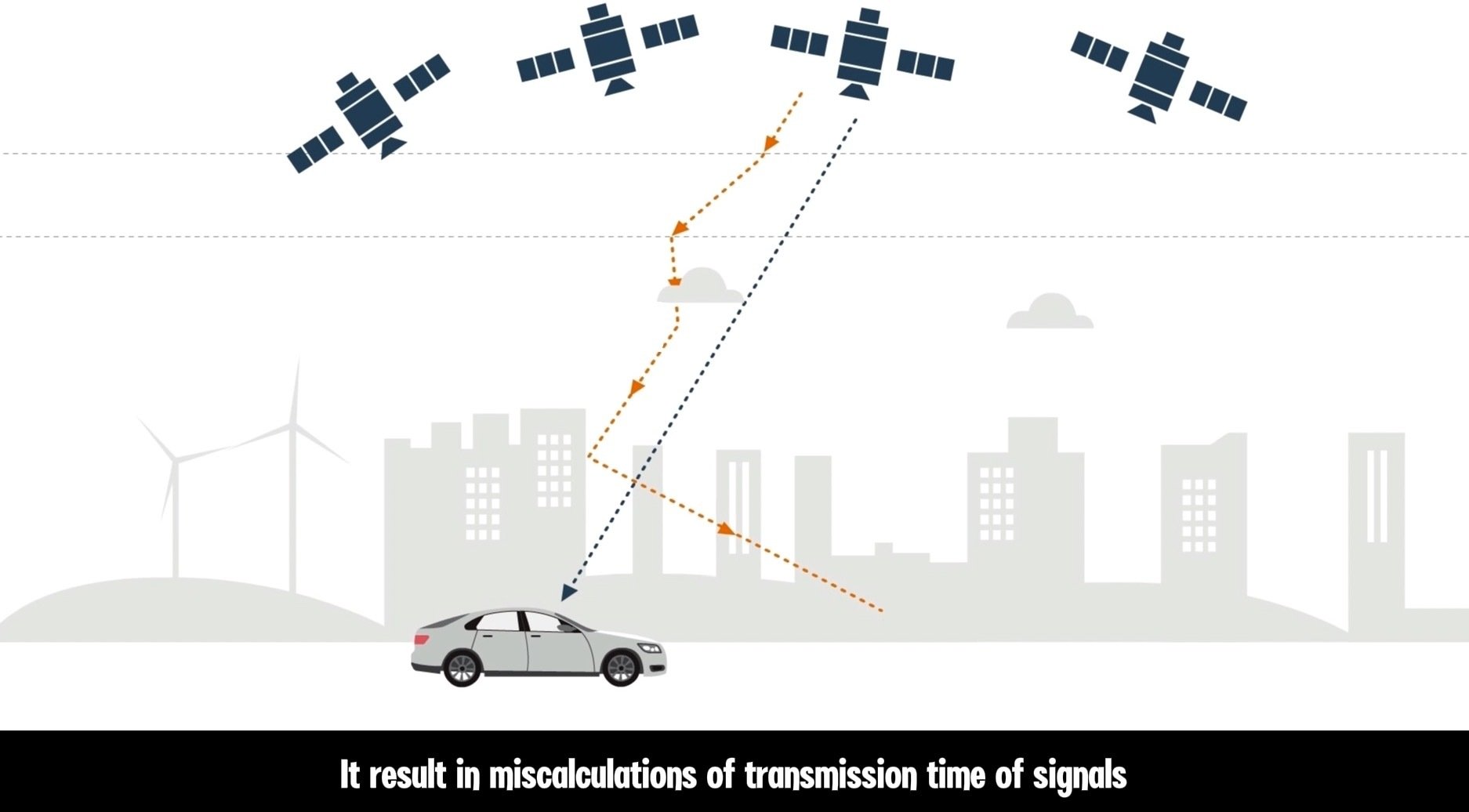
However, various errors occur when satellite signals pass through the Earth, which can lead to inaccuracies in calculating the signal propagation time. This, in turn, causes errors in distance calculation, resulting in positioning errors of tens of meters or even more than 100 meters.
To improve positioning accuracy, people have built ground-based augmentation stations. By comparing the coordinate information of the ground-based augmentation station obtained through satellite positioning with its actual coordinate information, the "comprehensive positioning error" is derived.
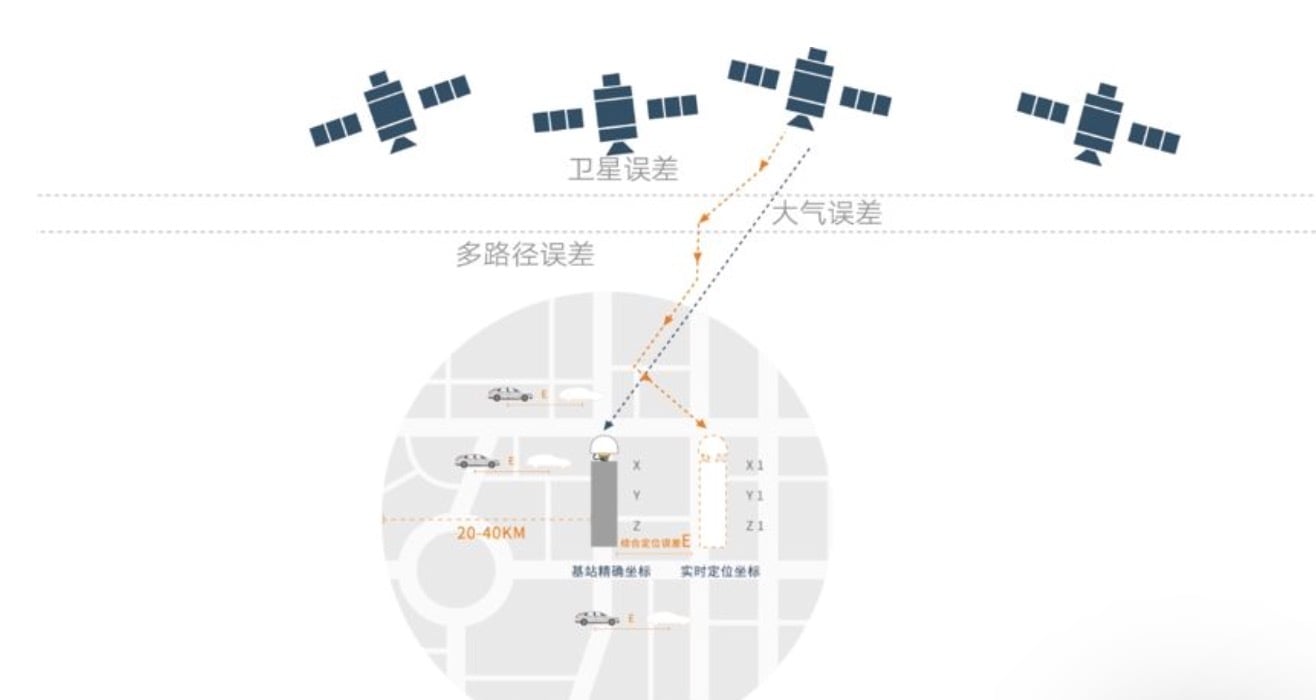
The ground-based augmentation station broadcasts the "comprehensive positioning error" in real-time to terminals within its signal coverage area. When performing satellite positioning, the terminal can then factor in the positioning error, thereby achieving high-precision positioning at the sub-meter or even centimeter level.
SpatiX has provided real-time centimeter-level high-precision positioning services to most regions around the world and can realize 7×24-hour data broadcasting through internet platforms, ensuring that hundreds of millions of customers can enjoy this service uninterruptedly.