

Revolutionizing Dredging: The Role of 3D Intelligent Systems
In recent years, the construction industry has witnessed groundbreaking advancements with the integration of 3D intelligent excavator guidance systems. These systems are revolutionizing river dredging operations by bringing unparalleled accuracy and efficiency to the process. By leveraging high-precision antennas, receivers, and real-time data, these intelligent systems provide operators with a comprehensive view of the excavation site, ensuring that every scoop is exact.
Traditional river dredging methods often relied heavily on operator experience and intuition, leading to inconsistent results and inefficiencies. However, with 3D intelligent guidance, the excavators are equipped with what can be likened to "smart glasses," allowing them to visualize the design plans in real-time and adjust their actions accordingly. This technological leap not only enhances the precision of dredging but also significantly reduces the margin for error.
Real-Time Data Integration for Precise Operations
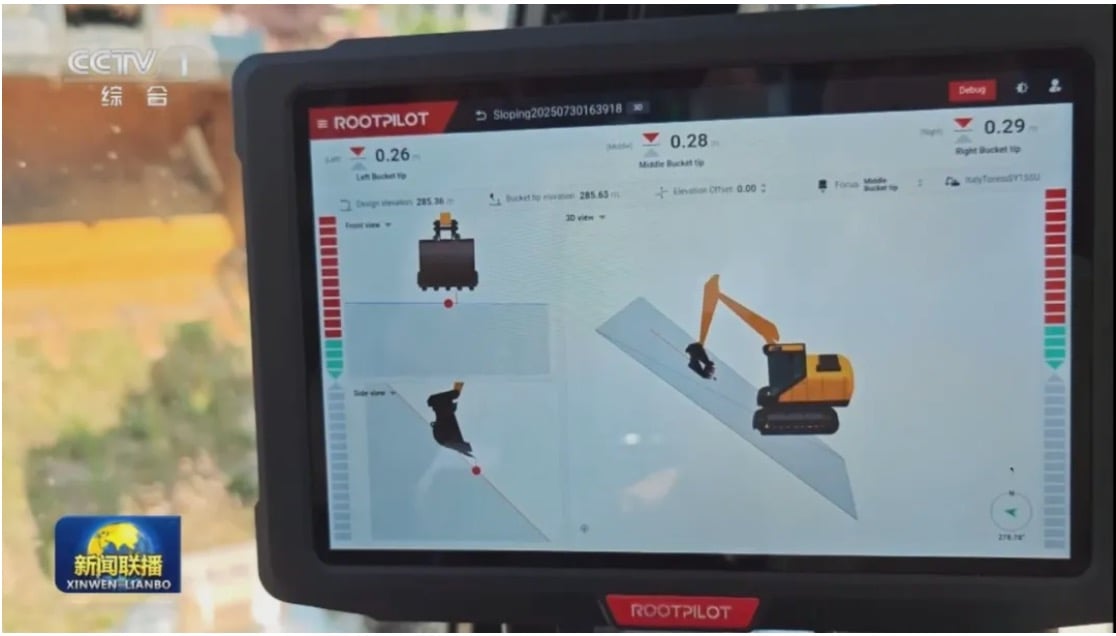
A cornerstone of the 3D intelligent excavator guidance system is its ability to integrate real-time data seamlessly. The system uses high-precision GNSS antennas and receivers, coupled with Positioning Services, to gather and process data on the excavator's position, height, and orientation. This real-time data is then translated into actionable insights for the operator.
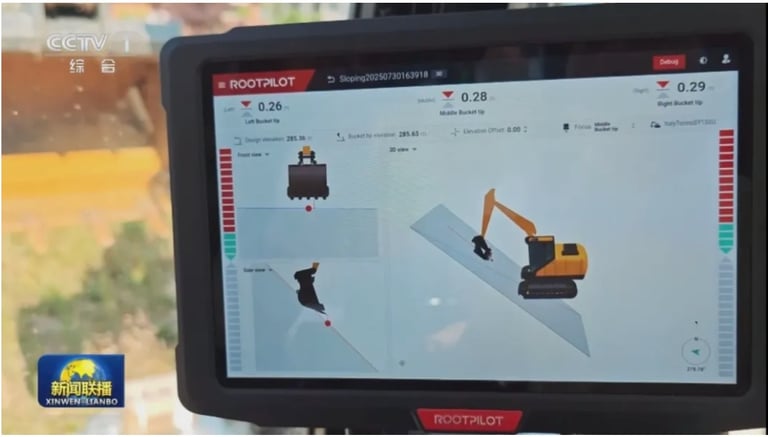
During river dredging, this means that operators can see a real-time overlay of the design surface on their display screens. The system provides visual cues and heat maps indicating areas that are under or over-excavated. Such real-time feedback allows operators to make instant corrections, ensuring that the dredging process adheres closely to the specified design parameters. The result is a more efficient operation with reduced need for re-work and increased overall productivity.
Achieving High-Precision Positioning in Complex Environments
River dredging often involves working in complex and challenging environments where traditional methods fall short. The 3D intelligent excavator guidance system excels in such scenarios by providing high-precision positioning capabilities. The system's advanced sensors and GNSS technology ensure that the excavator's movements are meticulously tracked and adjusted.
For instance, in underwater operations or areas with uneven slopes, the system's ability to provide real-time, high-precision data on the excavator's position is invaluable. Operators can dredge with confidence, knowing that the system will guide them to achieve the exact depth and contour required by the project specifications. This precision not only enhances the quality of the dredging work but also minimizes environmental impact by avoiding over-excavation.
Seamless Transition from Design to Execution
One of the most compelling advantages of the 3D intelligent excavator guidance system is its ability to facilitate a seamless transition from design to execution. The process begins with the creation of a detailed 3D model of the dredging site, incorporating all necessary design elements such as center lines, slope break lines, and elevation markers. This model is then loaded into the excavator's control system.
As the dredging operation commences, operators can rely on the system to provide continuous guidance based on the 3D model. The system's real-time feedback loop ensures that the execution aligns precisely with the design plans. This integration of design and execution eliminates the guesswork and manual adjustments that were once commonplace in river dredging projects.
Ultimately, the application of 3D intelligent excavator guidance systems in river dredging represents a significant leap forward for the industry. By enhancing accuracy, efficiency, and overall project outcomes, these systems are setting new standards for what is possible in modern dredging operations. As the technology continues to evolve, we can expect even greater advancements, driving the industry towards a smarter, safer, and more productive future.